
Will TMS Work for Me?
Will TMS Work for Me? This is a question we get more often than almost any other. It’s great to read reviews from other clients and hear stories from friends or loved ones who have had good experiences with TMS treatment, but that doesn’t answer your most pressing question before you invest in a treatment like this. How can you know if TMS will work for you?The good news is, TMS is an appropriate treatment for most people. It can be unsafe if you have a history of seizures, psychosis, or metal implants in your scalp or skull, but for
Tried Antidepressants? How TMS Fits In
Tried Antidepressants? How TMS Fits In If you’re reading about transcranial magnetic stimulation (TMS), there’s a good chance you’ve already been down the medication road. Maybe you’re on an antidepressant right now. Maybe you’ve tried two or three over the years, or cycled through dose changes and switches. For most people who come to TMS therapy, it’s rarely a first step. There are decades of research showing that TMS is effective, even when other treatments have failed, and over 15 years of FDA-cleared clinical use. But it’s easy to be skeptical when approaching a new depression treatment, especially when others haven’t worked
Can TMS help with dementia? The latest research in 2026
Can TMS help with dementia? The latest research in 2026 If someone in your family has been diagnosed with Alzheimer’s or another cognitive decline condition like Dementia, you have probably already run into the wall. The medications help some people for a while. Then the options thin out, and the conversation often ends with some version of “there isn’t much else to try.” So when people hear that transcranial magnetic stimulation is being studied for dementia, the question comes fast: does it work, and is it real? Here is the honest answer up front. TMS is not a cure for
What is D-cycloserine and why do we use it in our One-Day Intensive?
What is D-cycloserine and why do we use it in our One-Day Intensive? If you’ve read about our One-Day Intensive, you’ve seen D-cycloserine (TMS 1-Day treatment suppliment) mentioned as part of the protocol. Most patients have never heard of it. The name sounds clinical. It sounds like a medication and the question of whether you’re being given an additional psychiatric drug during an already unfamiliar procedure is a reasonable thing to want answered clearly. Here’s the clear answer: D-cycloserine is not a psychiatric drug. It doesn’t alter your mood, your perception, or your cognition in any meaningful way at the
The THREE-D Trial – iTBS Non-Inferior to Standard rTMS for Depression (Blumberger et al. 2018)
The THREE-D Trial – iTBS Non-Inferior to Standard rTMS for Depression (Blumberger et al. 2018) What this study was Who was studied What the protocol involved What the results showed What it means and what it doesn’t Why this study matters for patients What this study was The THREE-D trial is the largest randomized controlled trial comparing intermittent theta burst stimulation to standard high-frequency rTMS for major depressive disorder. It was a non-inferiority trial, meaning its primary question was not whether iTBS was better than rTMS, but whether it was at least as good. It was conducted across multiple Canadian
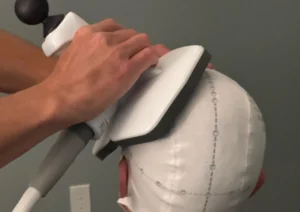
What to expect during and after TMS – a realistic timeline from your first session to six weeks out
What to expect during and after TMS – a realistic timeline from your first session to six weeks out One of the most common reasons patients feel discouraged after starting TMS is a mismatch between what they expected and what actually happens. They finish their protocol, go home, and feel essentially the same as they did when they walked in. They conclude that TMS didn’t work. Often, it’s working. It just hasn’t finished yet. This article is our attempt to give you the most honest, complete picture of what TMS treatment actually looks like, from the day you arrive to