In person and telehealth · Insurance accepted · Self-pay options
How we practice
Understanding your care is part of the care.
The best outcomes tend to come when treatment is not a black box. At Optimal TMS, your therapist and prescriber explain what is happening in your brain and body, what each tool is meant to do, and how we will know whether it is working. You decide what happens next, with real information.
Unhurried.
Your first visit and every therapy session leave room for how you are actually doing, not only a symptom checklist. Medication visits stay focused on what is working and what is not.
Explained.
Plain-language answers about diagnoses, options, side effects, and timelines.
Coordinated.
Your therapist, prescriber, and (if you use it) TMS team share one plan.
Talk Therapy
Structured, skills-based, and trauma-informed therapy for the full range of concerns that bring people in. Approaches include CBT and ERP, DBT and ACT skills, and trauma-informed talk therapy.
Thoughtful prescribing, careful follow-up, and clear conversations about benefits and trade-offs. We start from what you have already tried and what you want your life to look like.
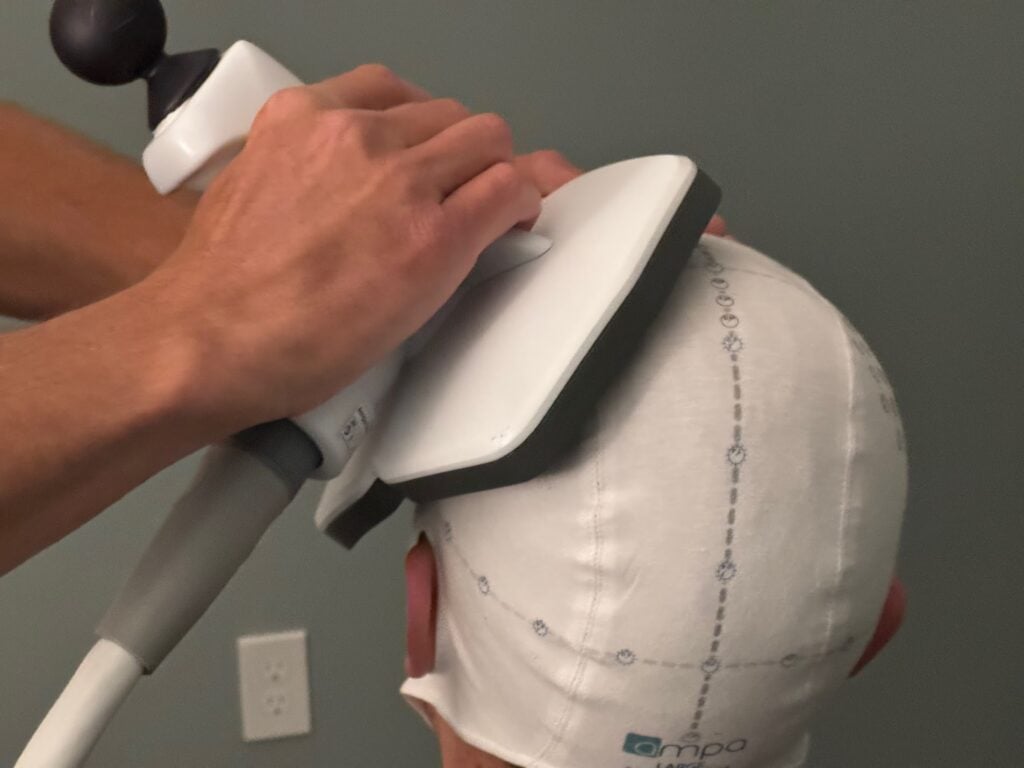
When severe depression limits the brain’s ability to adapt, TMS helps stimulate mood-regulating circuits so talk therapy has room to work. It is a physical treatment for a physical problem, and it is not a sign that anything you did before failed. If therapy and medication have helped but not enough, our TMS protocols may be the next step. If you are a good fit, your therapist and prescriber work alongside your TMS team so nothing falls through the cracks.
Whether you have a clear diagnosis or just know something feels off, we start where you are.
Our therapists and prescribers work with the full range of mental health concerns, from diagnosed conditions to everyday stress, including the ones that do not fit neatly into a category. These are common reasons people come to us, and the list is never complete.
Depression, anxiety, and panic
Persistent low mood, constant worry, panic attacks, or feeling numb or overwhelmed. Includes bipolar disorder and other mood conditions.
OCD, trauma, and PTSD
Intrusive thoughts, compulsions, flashbacks, and the lasting effects of difficult events, worked through at a pace you set.
Focus and attention
Trouble concentrating, organizing, or following through, including ADHD.
Stress and daily life
Work, school, money, caregiving, burnout, or simply carrying too much.
Life changes and relationships
Grief, big transitions, family and partner conflict, and the people who matter most to you.
Medication
Starting something new, adjusting what you take, or getting another perspective.
Not sure where your concern fits? That is okay. You do not need a diagnosis or the right words to start. Tell us what is going on and we will take it from there. If we are ever not the right fit, we will help you find who is.
Looking for TMS specifically? Our TMS protocols focus on depression, anxiety, OCD, and PTSD. Therapy and medication management are open to everyone we can appropriately treat.
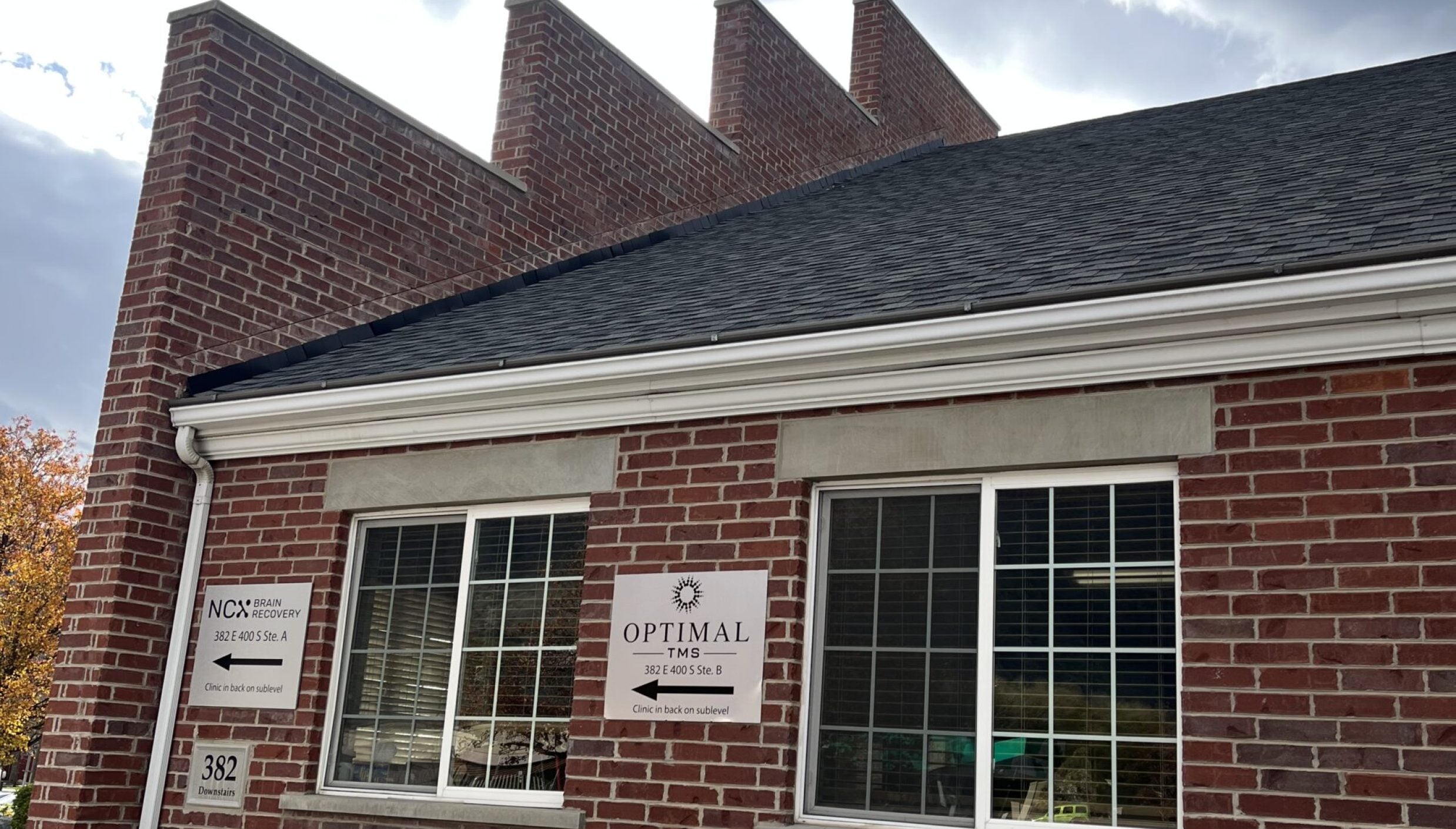
Visit us in Las Vegas, NV, Springville, UT, or Green River, WY. Same team, same plan, same standard of care at every location.
Telehealth
Meet with your provider by secure video from home. Available to patients located in Nevada, Utah, and Wyoming.
Between visits
Message your care team through [patient portal name] for non-urgent questions.
Cost and coverage
Straightforward about what care costs.
We accept [list plans] for therapy and medication management. Not on one of those plans, or prefer to keep care outside insurance? Self-pay visits are [$X for an intake, $Y for follow-ups, $Z for therapy sessions]. We will always tell you the cost before you book.
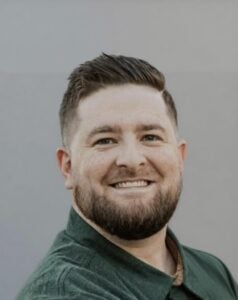
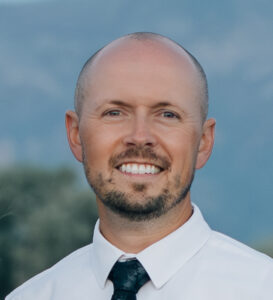
Kyle Ward leads talk therapy and medication management. Thomas Tervort leads our TMS program and joins in when your plan calls for it. They work from one shared plan.
Kyle Ward, PMHNP-BC
Psychiatric Mental Health Nurse Practitioner · Medication management and talk therapy
Nearly seven years in inpatient psychiatric care taught Kyle to spot risk early and treat the whole person. At Optimal TMS he runs thorough evaluations, builds individualized plans, and explains your options in ways that make sense.
Thomas spent years in neurosurgical care, assisting in surgery and managing patients before and after, then led the TMS program at a regional brain health clinic. His doctoral work focused on helping patients feel informed and confident in their care, and he leads our accelerated TMS protocols.
What is the difference between talk therapy and medication management?
Talk therapy is regular sessions with a therapist to build skills, work through experiences, and change patterns. Medication management is visits with a prescriber to decide whether medication could help, choose it carefully, and monitor how it is working. Many people do both, and some do one.
Do I need to be a TMS patient to see you for therapy or medication?
No. These services are open to anyone we can appropriately treat. TMS is one option if you ever need it.
I am already on medication. Can I keep seeing my current prescriber?
Yes. We coordinate with your existing providers and can take over medication management if you would like.
Can I do therapy and TMS at the same time?
Yes. TMS and therapy work well together and are parts of a cohesive care plan. Your team will talk through timing and what makes sense for you.
How is telehealth different from an in-person visit?
The care is the same. You meet by secure video from a private space. Availability depends on the state you are in during the visit: we currently can see patients in Nevada, Utah, and Wyoming.
What if therapy or medication is not working?
Therapy and medication are parts of a care plan, but aren't always enough on their own. We can have an honest conversation about what comes next, which may mean adjusting your plan, changing approaches, or discussing TMS.
Do you prescribe controlled substances?
Yes, our providers have full prescribing authority, although certain medications may require an in-person visit for a prescription.
What if I am in crisis?
Optimal TMS is not an emergency service. If you are in immediate danger, call 911. In the U.S. you can call or text 988 for the Suicide & Crisis Lifeline at any time.
Ready to talk? Start with a conversation.
A brief call is all it takes to find the right first visit. No pressure, no commitment.